
It’s not your average Italian; it’s regional, and Polpo focuses on the northeastern region of Italy – Venice. This Italian small-plate restaurant has been serving Venetian-style sharing plates in London since 2009. I’m not a huge fan of chains, which Polpo is. However, it’s a small one, as there are only two restaurants: Soho and Chelsea. It therefore maintains good quality and authenticity.
If you’re wondering what makes Venetian food distinct from other Italian cuisines (such as Tuscan or Neapolitan), it’s because of the city’s history as a powerful maritime republic and its access to the lagoon, rivers, and trade routes.
As Venice sits in a lagoon, fish, shellfish, and crustaceans are staples and, unlike southern Italy, Venetian cooking relies more on rice (risotto) and cornmeal (polenta). Additionally, as Venice was a hub of the spice trade, flavours like cinnamon, cloves, pepper, and nutmeg often appear in savoury and sweet dishes.
Décor/atmosphere
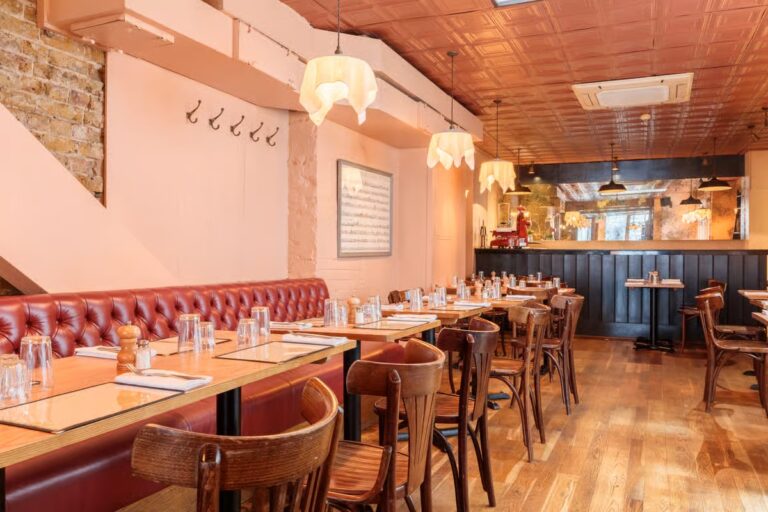
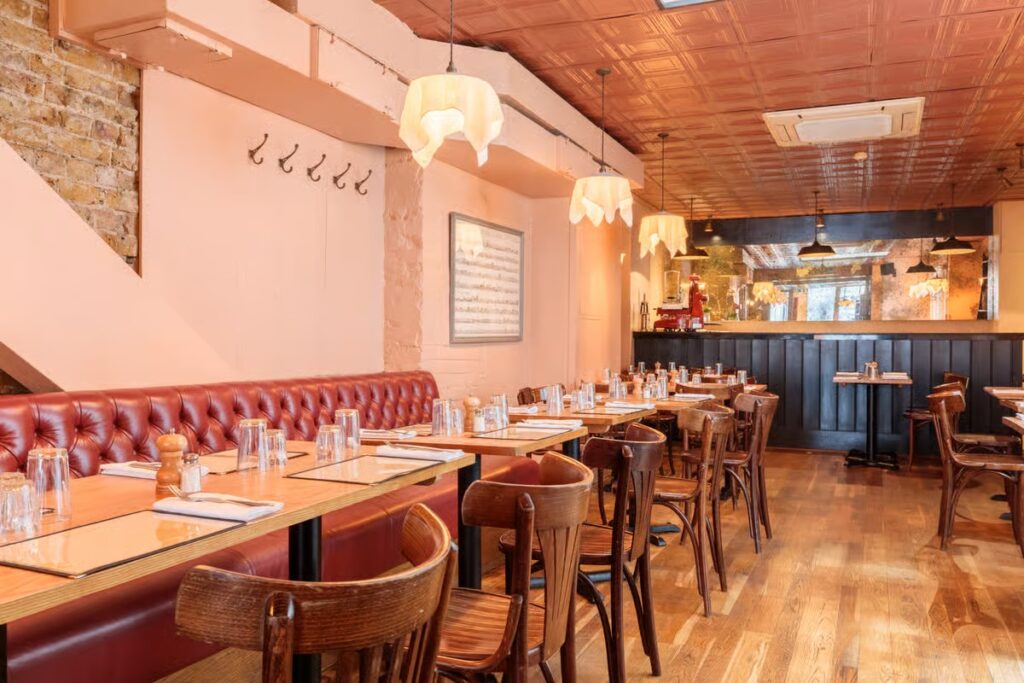
Polpo is a casual, inviting space tucked into a small street in Soho. The restaurant’s Italian décor and cosy, intimate feel give you the full Venetian experience. It gives a nod to Venetian painter Caneletto, as it’s housed in the artist’s former home and studio on Beak Street. Canaletto is considered an important member of the 18th-century Venetian school.
The restaurant’s low ceilings, walls adorned with rustic Italian cartography, and light bulbs rendered atmospheric by sheets hanging over them make it the perfect location for a date or get-together with close friends.
The Food
Polpo takes its inspiration from the traditional bàcaris of Venice, and the menu consists of cicheti (Venetian snacks) followed by larger dishes including pasta and pizzettes, all of which are designed to be shared between the whole table. The food is definitely a step above many Italian restaurants around, and the concept of cicheti gives you the opportunity to try many dishes without overdoing it.
Expect green olives stuffed with anchovies, parmesan, coated in panko breadcrumbs, and deep-fried until golden and crispy– small balls of deliciousness.
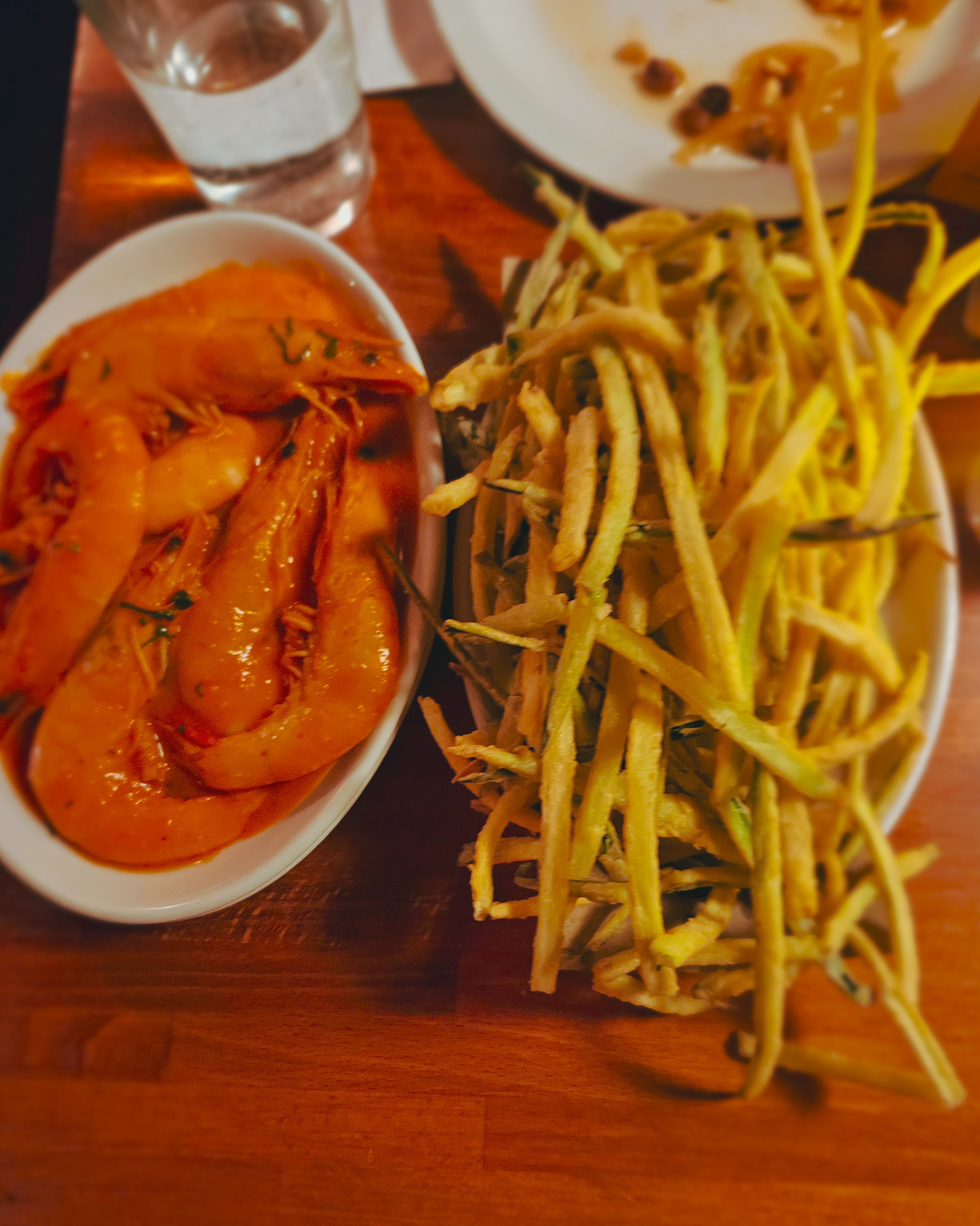
Out of all four crostini, the creamed tofu with caramelised onions was the best – simple, but mouth-watering, and the crispy Zucchini fries are moreish.
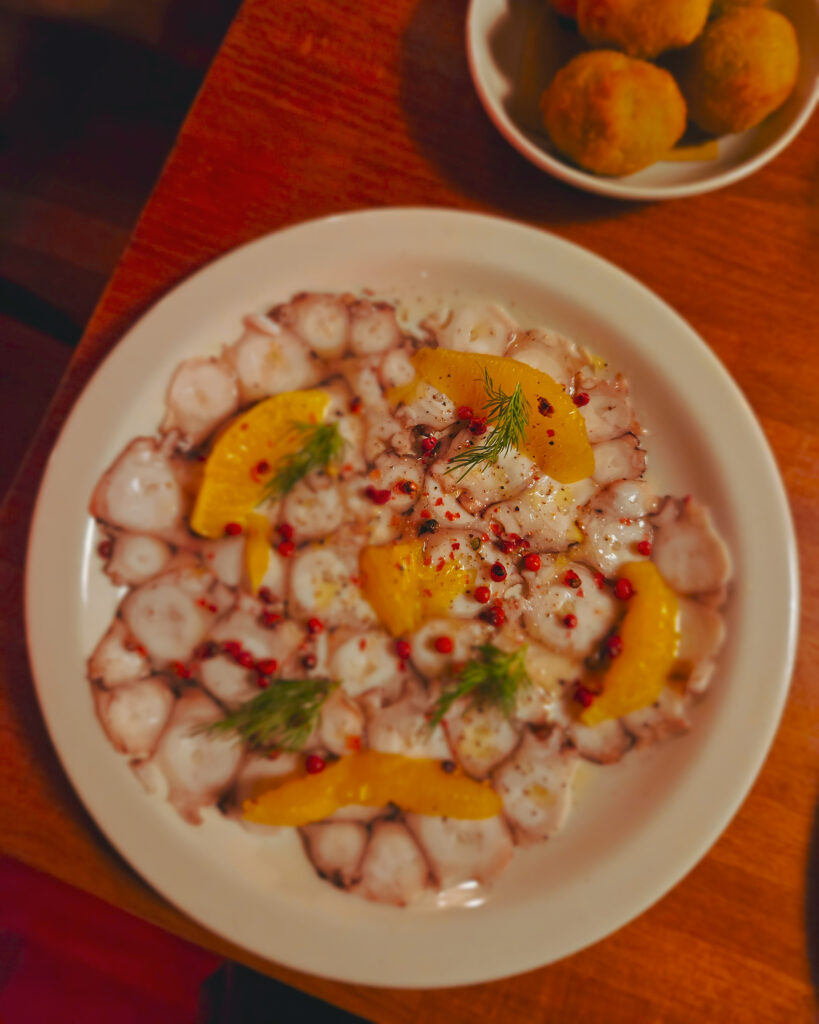
The Octopus carpaccio with orange and dill is presented well, flavourful, delicate, and a beautiful blend.
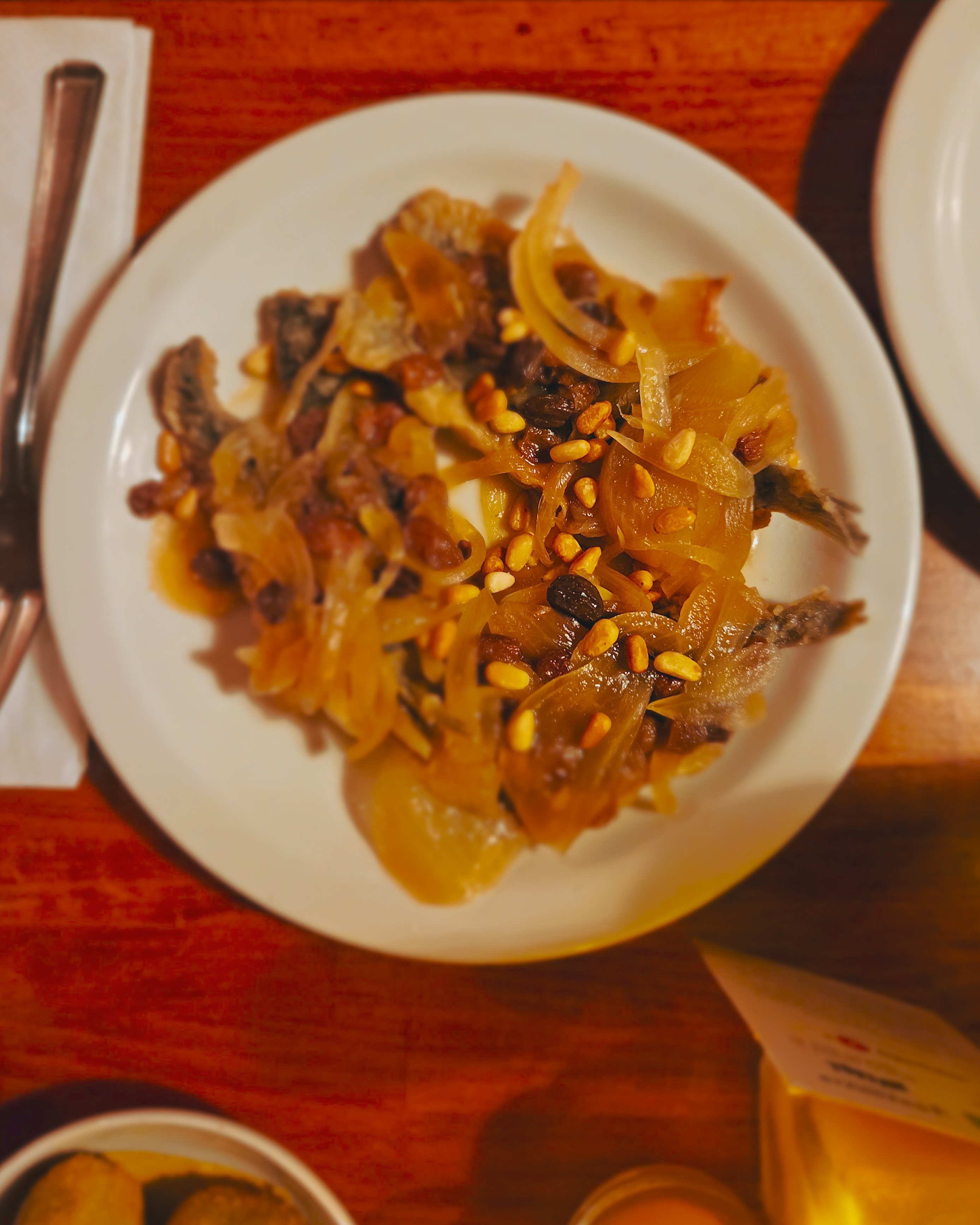
Try the Sarde in saor – fried sardines marinated in a sweet and sour sauce with onions, vinegar, raisins, and pine nuts. Over the centuries, this dish has evolved from a simple preservation technique for Venetian fishermen and sailors who needed to keep fish edible during long sea voyages before the invention of refrigeration into a refined dish. The addition of raisins and pine nuts, reflecting Venice’s history as a major trading hub with the East, balances the sharpness of the vinegar, creating the distinctive sweet and sour flavour.
From the selection of larger plates, I opted for the Chilli garlic prawns. There is also a choice of pasta dishes with a twist, such as ravioloni with cavolo nero, butter & sage, and I’m definitely going to try the pumpkin, prawns & baby spinach pizzette on my next visit.
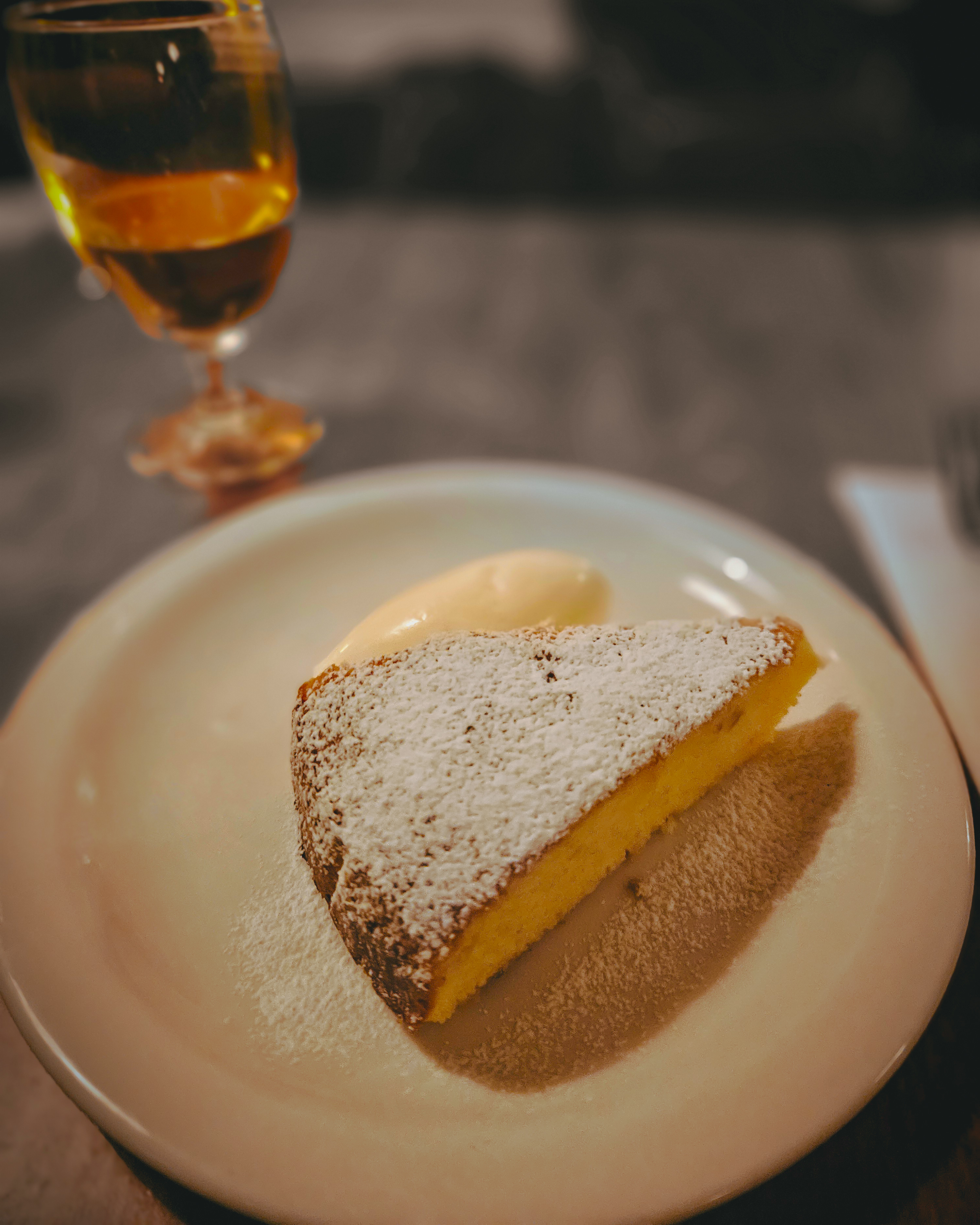
For dessert, indulge in a slice of flourless lemon and almond cake accompanied by a side of fresh cream. Moist, nutty, citrusy and full of flavour and a winner whether you have a gluten intolerance or not.
Drinks include a spritz selection – the famous aperitivo with prosecco and bitters like Aperol, Campari or Limoncello was also born in Venice. There’s also an adequate selection of wines and cocktails – the amaretto sour comes highly recommended.
The Service
Service with a smile. Staff are welcoming, down-to-earth, and friendly without being too intrusive.
The Price
Polpo small plates range from £5 to £23. Mains range from £12 to £ 24, and desserts from £8 to £10. The most expensive dish is priced at £28, so overall, they are reasonably priced.
Overall
Food, atmosphere, and staff are great! It’s a restaurant on repeat.
Polpo’s Venetian cuisine reflects the lagoon, countryside, and centuries of global trade, creating a food culture that is both simple and sophisticated.
Book
Address: 41 Beak Street, London, W1F 9SBI