
I was planning my return to Bahia before I left. There are other places I want to visit, but Brazil keeps calling me back. If you’ve already been, you’ll get what I mean. This is my fourth trip to Brazil and my second to Bahia. It’s late January now; excitement for carnival is building, so there’s a lot to do. But really, any time is a great time to visit Brazil.
You can use this post as a supplement to my previous post about Bahia (What is unique about Salvador, and is Bahia worth visiting?) If you’re planning a trip to Salvador, Bahia, during carnival season, this post highlights essential things to do and key reasons why this season makes Bahia an especially rewarding destination.
Visiting Salvador Bahia during carnival season
Salvador Carnival is one of the biggest street parties in the world and very different to the more choreographed carnival in Rio. Rio is a show that you watch, while Salvador is a party that you join and connect to Bahia’s Afro-Brazilian culture. However, it is intense, crowds are extreme, and it can be physically exhausting.
Carnival season is a great time to visit Salvador, Bahia – even if you don’t actually attend carnival. This particular time of year is alive, social, and increasingly festive, but still manageable. There is no shortage of parties and festivals of some sort, and always something is going on.
The build-up to carnival in Salvador is like a city slowly turning the volume up every day — by the time carnival starts, it’s already effervescent.
In the weeks before Salvador Carnival, music is everywhere (bars, streets, squares), it’s also the holidays, and locals are going out multiple nights a week with a sense that something big is coming. It feels authentic and local, not yet overwhelmed by mass tourism.
Unlike during carnival week, you can still walk around Pelourinho comfortably, go to beaches like Porto da Barra and Praia do Porto and sit in restaurants without chaos. Overall, it’s a balance of culture and relaxation.
You’ll find local blocos warming up, pop-up parties in neighbourhoods, and live music spilling into the streets, which are lively but not overwhelming.
Though prices start rising, popular events get busy, and nights can still be loud and late, it’s nowhere near peak intensity yet. Pre-carnival Salvador feels like a city partying for itself before hitting the main stage.
A chance to see Olodum’s Blessings and Blocos
What made it even more special was seeing the bloco of all blocos from Olodum. World-famous Afro-Brazilian percussion group Olodum, based in Salvador, Bahia, is known for its samba-reggae and monumental carnival performances.
However, Olodum is more than just a band — it’s a social and cultural movement that promotes Afro-Brazilian identity and pride, runs educational programs for local youth and uses music to address racism, inequality, and social justice. They are deeply connected to the historic neighbourhood of Pelourinho in Salvador and are one of Brazil’s most iconic music groups, combining infectious drumming, cultural activism, and community work and have helped shape the global image of Salvador’s music scene.
Olodum is hugely popular and travels extensively, so carnival is a good time to catch them at home. In addition to paid performances on Tuesdays at Artes de Praca, Olodum also holds free rehearsals in the middle of Pelourinho (locally known as Pelo). I went to both.
I was told that it was best to attend the paid performance (“Olodum’s blessing”) on a Tuesday, as I won’t get to see them on a Sunday rehearsal, given the volume of people that attend and police controls, etc.
When I attended Tuesday’s blessing, they put on a great performance, but nothing could top the free performance in the middle of Pelourhino for the people and ancestors on Sunday. It was a highlight of my trip and a real blessing. The energy – honestly, it left me speechless. Check out their website for info https://olodum.com.br/.
Immerse yourself in the culture – take a dance class with Tati Campelo
Tatiana (Tati) Campelo is a dancer, choreographer, producer, mentor, activist, visual artist, and Queen from Salvador, Bahia. Tati is one of Brazil’s most sought-after instructors of dança afro, a contemporary Afro-Bahian dance style. She has conducted workshops throughout Brazil and Europe.
Throughout January and February, Tati conducts some fierce dance workshops. If you want to feel like a local, I highly recommend this class – the energy is palpable.
Visit the Festival of Yemanjá
On 2 February, the Festival of Yemanjá honours the Mother of all Orixás, protector of fishermen and Goddess of the sea. The festival is one of Brazil’s most significant cultural events. It takes place every year on 2 February in Rio Vermelho, when the neighbourhood attracts thousands of people and turns into a religious ritual and street festival paying homage to Yemanjá.
The Festival of Yemanjá is a symbol of African heritage in Brazil and one of the largest Afro-Brazilian religious events in the world. It started with local fishermen in the 1920s asking Yemanjá for protection and good fishing — and grew into a major national festival. It is important to both religious followers and the general culture.
It’s an important day for Afro-Brazilians, particularly practitioners of Candomblé. Giving gifts and giving thanks.
It’s amazing how huge this festival has become, especially given that Candomblé was once a forbidden practice. The Festival of Yemanjá is celebrated throughout Brazil, but its roots are in Salvador.
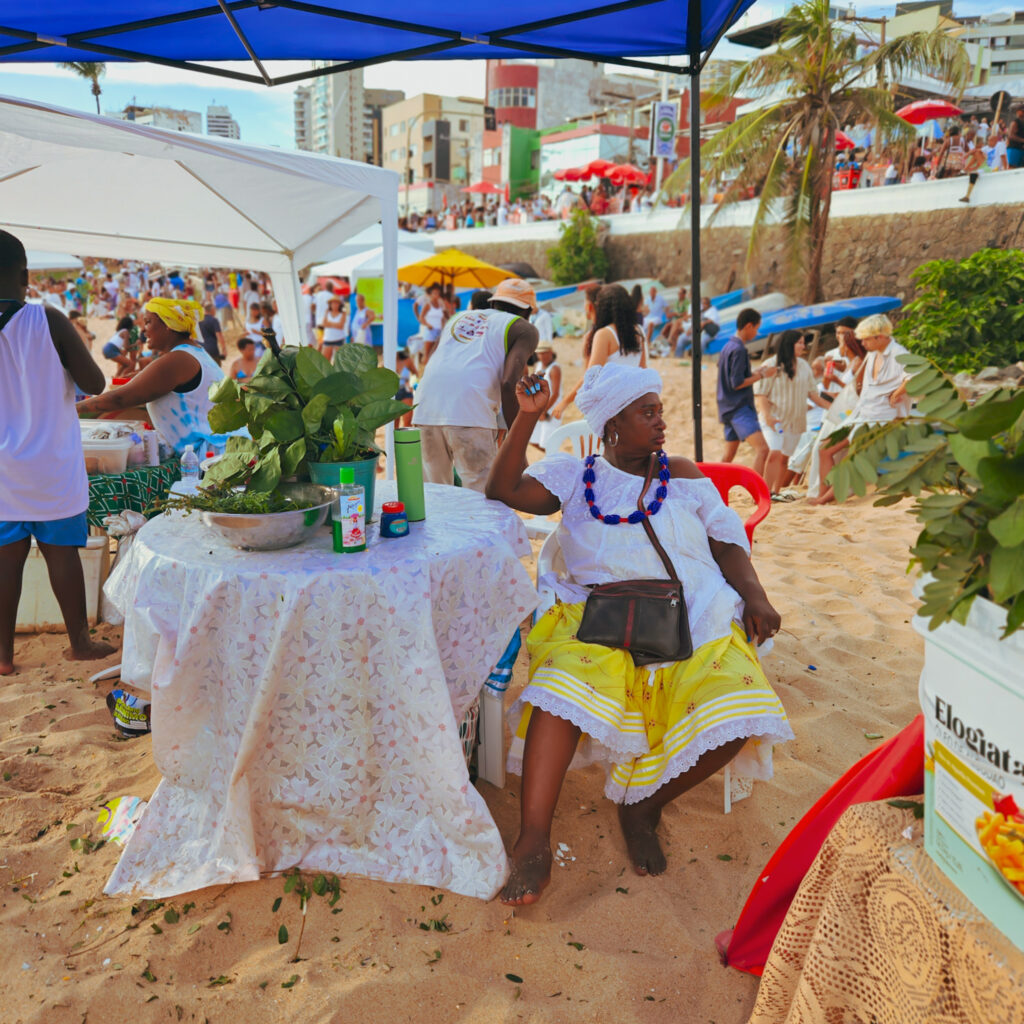
What to wear
People dress mostly in white or blue, representing the sea, purity, and devotion to Yemanjá, as symbolic colours of respect during the festival. During the day-long celebration, processions head toward the sea to offer gifts to Yemanjá, including flowers, perfumes, jewellery, and food.
The items are placed in baskets or small boats and sent out into the ocean as gifts to the goddess. On the lead up to the sea, you’ll find plenty of vendors selling flowers, beaded necklaces, etc., and you can pay fishermen a small fee to go out to sea on a boat to give your gift to Yemanjá.
It’s a lively day filled with drumming, singing, and dancing all day and night with a strong presence of Afro-Brazilian culture, music, spirituality, celebration, and community. It is both deeply spiritual and a huge public street party.
I would suggest going early if you want to experience it for the culture and give a blessing.
Exiting at 5pm was hectic. Akin to trying to leave Notting Hill Carnival, going against the flow of traffic in peak hours. That said, I’m really glad to have experienced this and give an offering. I was wondering when would be a good time to go, but as a Baiana local to the area told me, “Anything you do ..Yemanjá Will receive with ❤️” – I get it now.
Expect to see thousands of people in white, music everywhere, and offerings floating into the sea at sunrise — all dedicated to a sea goddess.
Get lost in nature at Chapada Diamantina National Park
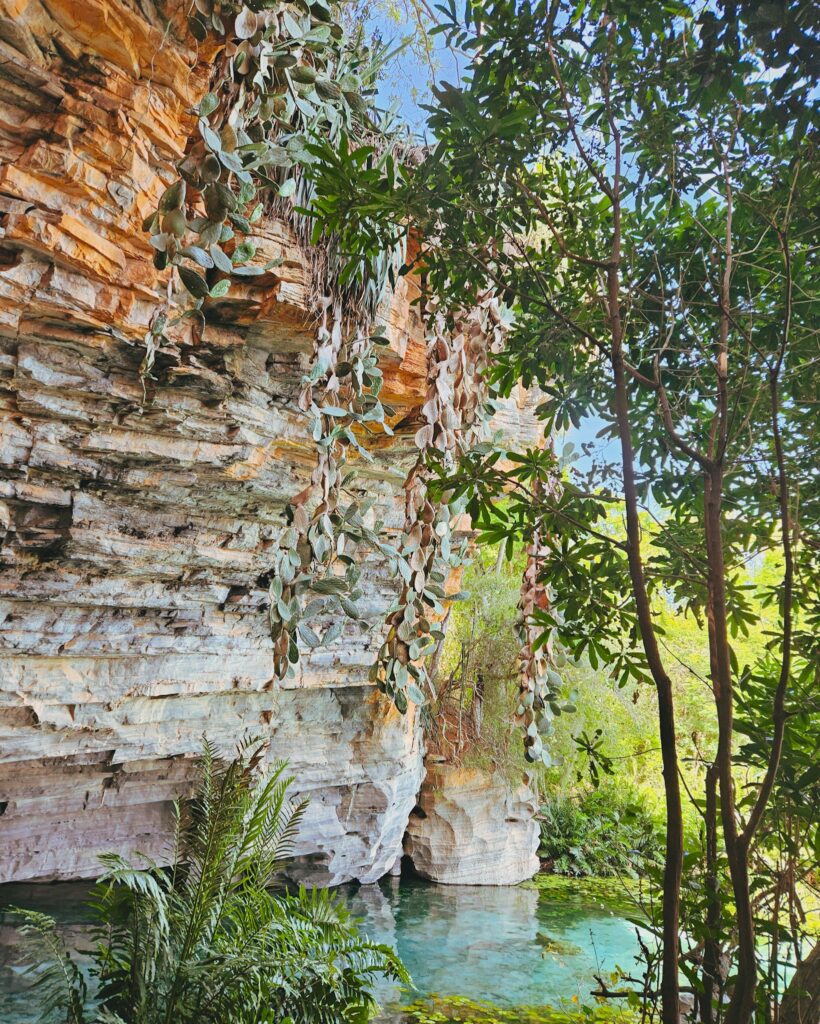
This time around, I also visited Chapada Diamantina National Park, located in the state of Bahia. Chapada Diamantina is one of Brazil’s most beautiful natural regions. It’s famous for its dramatic landscapes—think flat-topped mountains, deep valleys, waterfalls, caves, and crystal-clear rivers but it’s not as globally famous as places like Rio or Iguazu.
Most visitors come from Brazilian cities such as Salvador, Rio and São Paulo, with the bulk of visitors being Brazilian hikers, weekend travellers and nature-focused domestic tourists. Though you will see foreigners, especially backpackers exploring Brazil long-term and adventure travellers seeking less crowded nature spots, they are a minority overall.
There are three daily departures from Salvador Bus Station (Rodoviária de Salvador) at 8:00 AM, 11:00 AM, and 11:00 PM. Prices vary depending on whether you opt for a regular seat or a leito (reclining chair/bed). It takes approximately seven hours to reach the small town of Lençóis. As it’s a long ride, I recommend the leito. You can book here.
The bus makes a stop to get lunch and stretch your legs. Buses are clean, comfortable and equipped with air conditioning and toilets. The bus stops in Lençóis, a convenient base to explore the natural beauty of the national park.
For the return journey to Salvador, buses depart Lençóis at 9:00 AM, 1:40 PM, and 10:50 PM.
Chapada became important in the 19th century during Brazil’s diamond rush—“Diamantina” literally refers to diamonds. Old mining towns like Lençóis now serve as gateways for tourists.
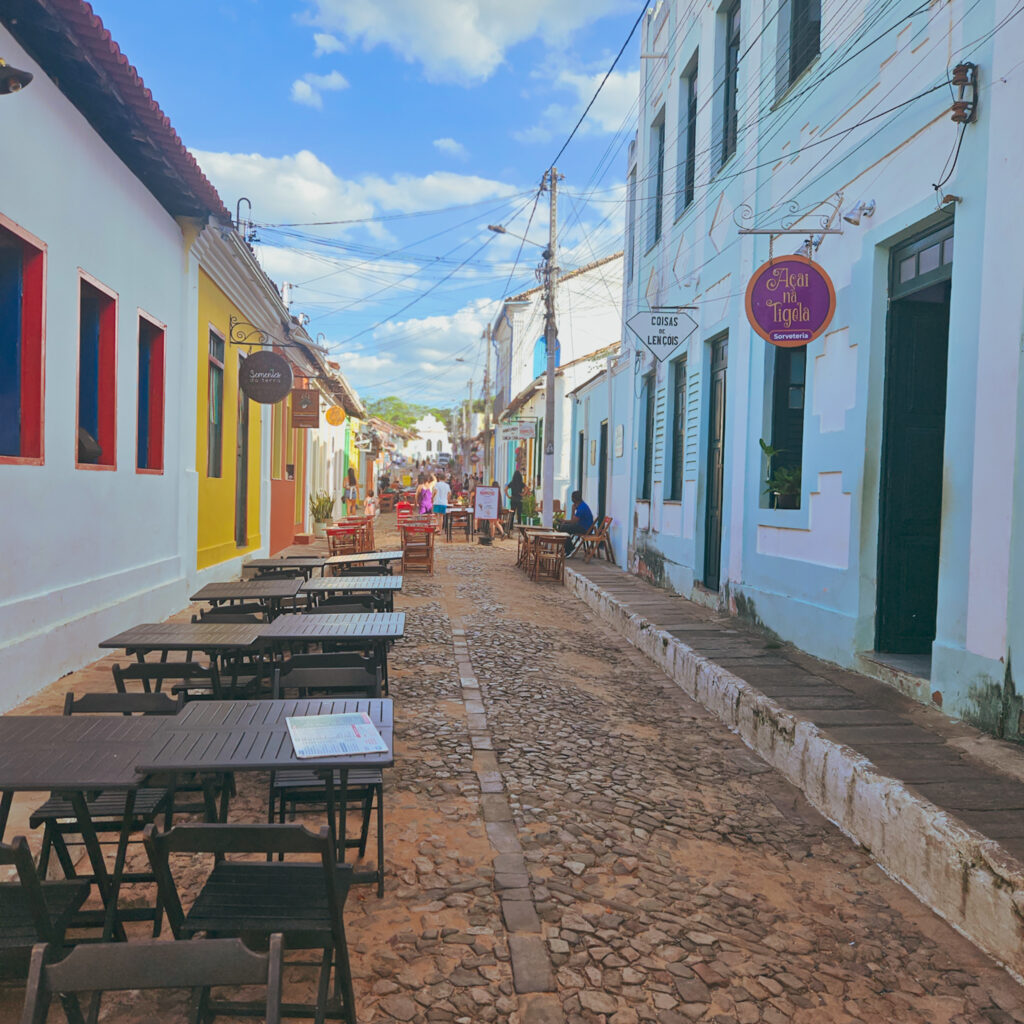
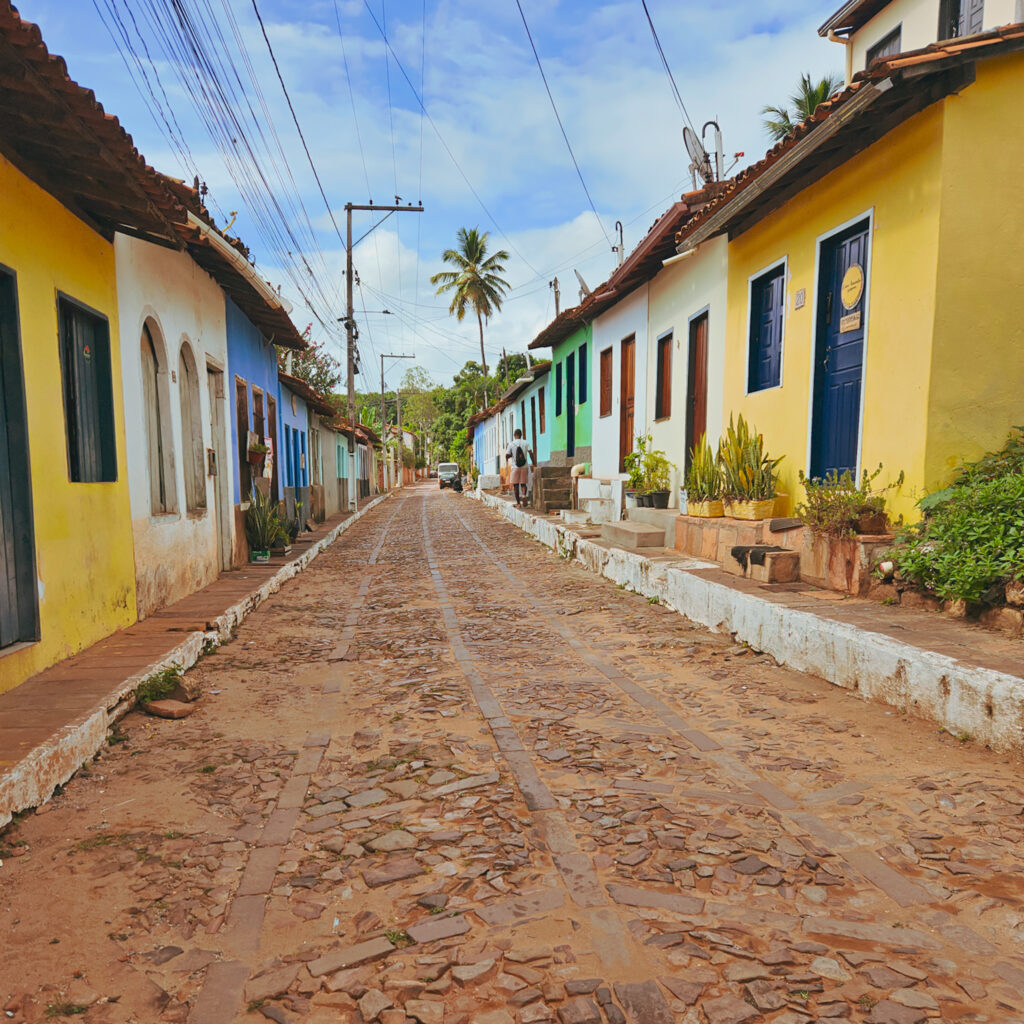
Lençóis
Lençóis itself is a cute little town, but more gentrified than I imagined it to be. I found it a bit commercial and was surprised by the number of places serving pizza. If I wanted pizza, I would go to Italy. A local informed me that many places were owned by Italians and other internationals.
However, I did like the fact that although it had many tourists, they were mainly Brazilian, as January is the height of summer and still a holiday in Brazil.
If you really want to explore Chapada without rushing and get truly immersed, I would recommend about five days. You can then do tours, camp, and generally take your time. That said, even if you only have a few days, it is still worth the visit.

Popular day tours to do are
Chapada Diamantina is vast and not easily explored solo, so using an agency is one of the most practical ways to see the main attractions, especially if your time is limited. I highly recommend Zentur tours. They are organised and offer small-group, private tours and English-speaking guides. I took a two-day tour with Zentur, which covered some of Chapada’s most popular stops, and it wasn’t too taxing for those who aren’t avid hikers.
The two-day tour covered:
Vale das Piscinas
A quiet natural attraction made up of a series of small rock pools and waterfalls.
Gruta da Fumaca
Cave of Smoke, a cave famous for its stunning geological formations and a mystical, smoke-like mist at its entrance, plus a lot of bats.
Fazenda Pratinha
A private ecotourism site and ranch famous for its greenish-blue, clear water, caves, and swimming activities.
The visit to Fazenda Pratinha felt a bit rushed with the tour. I would recommend staying on site overnight in a pousada to enjoy activities at quieter moments, allowing more time to visit Gruta Azul and make the most of the activities on offer, such as snorkelling in the cave, ziplining, kayaking, paddleboarding, pedal boats, etc.
Climbing Morro do Pai Inacio for sunset views.
One of the most famous viewpoints in Chapada Diamantina is Morro do Pai Inacio – a flat-topped hill with panoramic views over the entire region.
Mosquito Waterfall
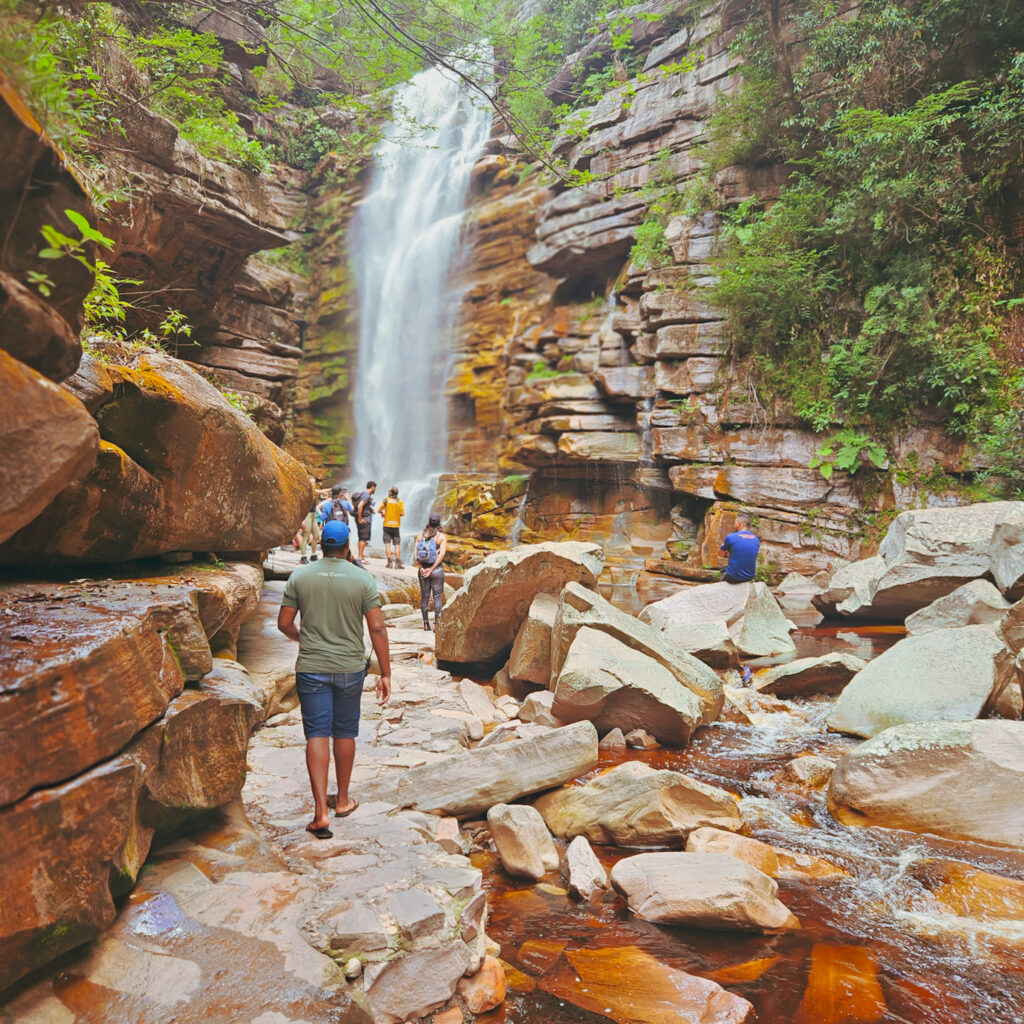
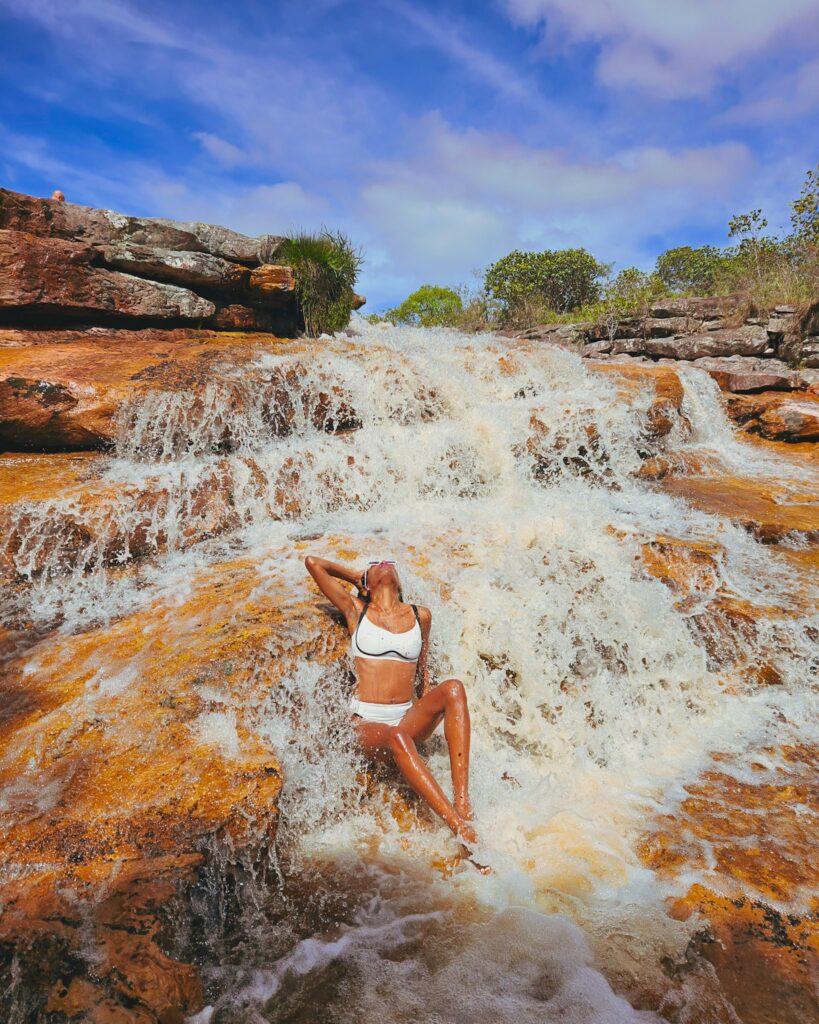
On day two, we visited the Mosquito Waterfall. It’s a wow moment, stunningly beautiful, and you may even find a diamond. Mosquito was the best day of my tour, as it felt more immersed in nature.
I recommend booking tours upon arrival, as you’ll have a clearer understanding of things and may change your mind about what tours you want to do or the amount of time you want to spend there. Zentur’s office is in the heart of Lençóis, and you can visit, speak to the agents and book or adapt the schedule to suit your needs and the weather. There are also numerous other tour agents in Lençóis, and often your hotel or pousada can assist with booking.
Cachoeira da Fumaça is also popular for its dramatic cliff-top view of one of Brazil’s tallest waterfalls (note you can only view from above).
One of the most accessible trails is about a 30–40 minute walk from Lençóis – Parque da Muritiba. It’s a light trek, doable by yourself. Here you can visit Cachoeirinha Ribeirao do Meio, a scenic river area known for its smooth rock formations shaped by flowing water, natural pools and small waterfalls. It’s well known for its natural “water slide” where visitors can slide down the rock into the water. I gave the rock slide a hard pass, but it was fun to watch.
Where to stay in Lencois – I highly recommend Pousada Roncador. It’s excellent value for money, superbly located, and the mother/son duo are a dream team. They do not serve breakfast, but there is a communal kitchen. However, being centrally located, there are a few places within a short distance for breakfast. Tapioca da Joyce is my favourite breakfast spot.
Why visit Salvador in carnival season but not for carnival itself
Visiting Salvador, Bahia, during carnival season, but not necessarily for carnival, allows you to experience much of the energy without the full chaos.
In the weeks leading up to Carnival, the city comes alive with street parties and rehearsals. Additionally, smaller parades, preview events, and live music are held almost every night, not just in Salvador, but in Bahia as a whole.
Furthermore, you’ll still see groups like Olodum and Ilê Aiyê performing—often in more accessible, less crowded settings, adding to the overall experience.
If you’re lucky, you’ll get the chance to witness one of Olodum’s rehearsals in Pelourinho, and it’s much easier to enjoy than during carnival itself.
Unlike carnival week, you can still relax at beaches, explore The Pelourinho properly and visit museums and historic sites without huge crowds.
The timing is ideal because you can experience the festive atmosphere without peak madness, better prices (though still high-ish), easier logistics (restaurants, transport, accommodation), and you can actually enjoy the city, not just survive it.
That said, it’s still busy, some events get crowded, and prices start rising as carnival approaches.
However, it is often the best time to visit Salvador if you want culture, music and energy but also space to breathe. During Carnival, the city becomes all about the party. Before it, you get the party and the place.
The build-up to Carnival is arguably the best time to experience Salvador and Bahia in general, if you want real culture, live music, and energy without feeling exhausted.